HospitalityAbraham’s Table
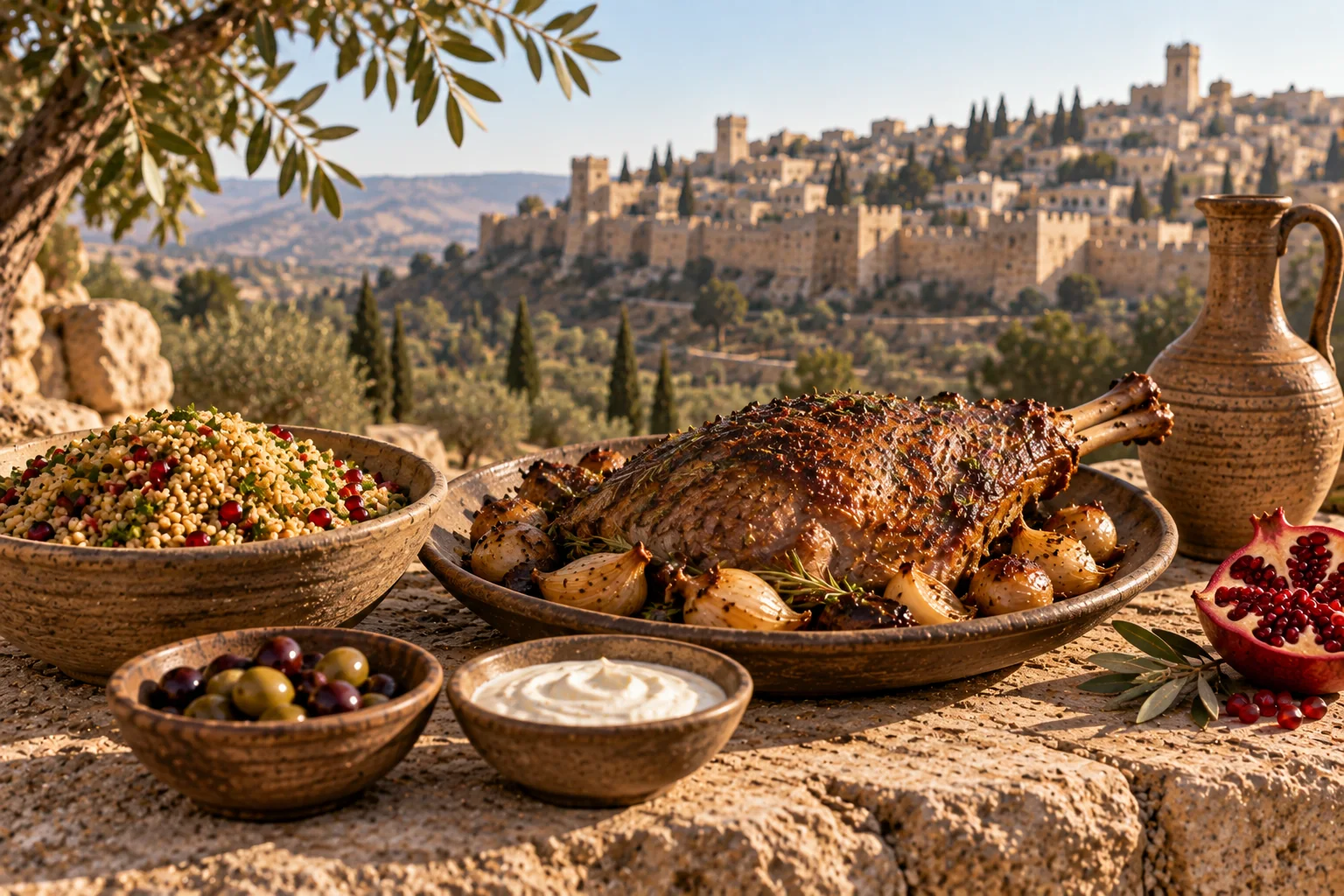
Three strangers arrive in the heat of the day, and Abraham answers with abundance: water, bread, curds, milk and a calf prepared for his guests. The scene at Mamre makes hospitality tangible — hurried preparation, generous food and a host standing nearby while strangers eat. Around this table, an ordinary act of welcome opens into promise.
ExileDaniel
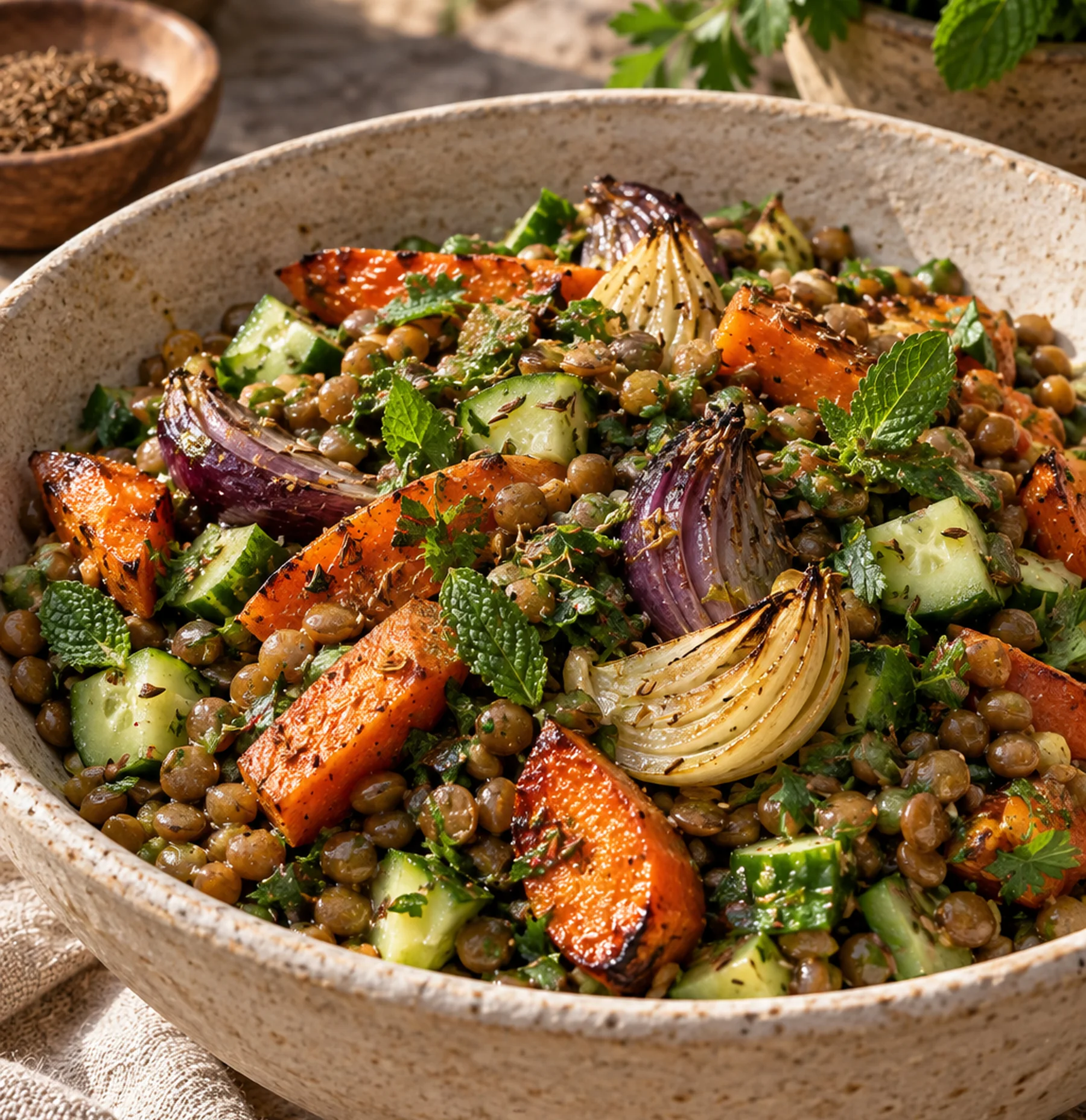
In Babylon, food becomes a question of identity. Daniel and his companions ask for a simpler table rather than the provisions of the royal court. Their choice is small in appearance but profound in meaning: restraint becomes a way of remembering who they are while living inside the power and abundance of an empire.
PersiaEsther’s Banquet
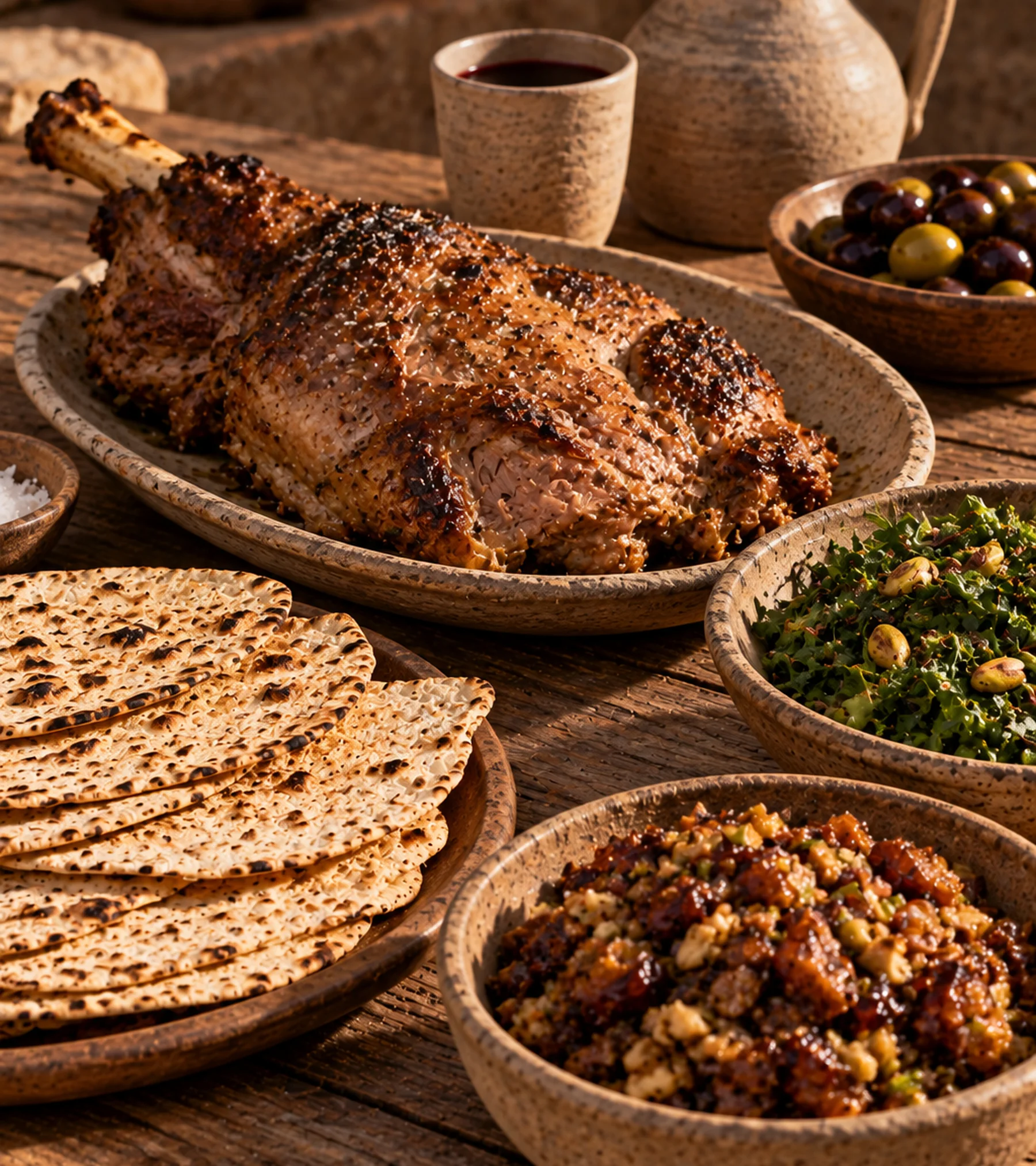
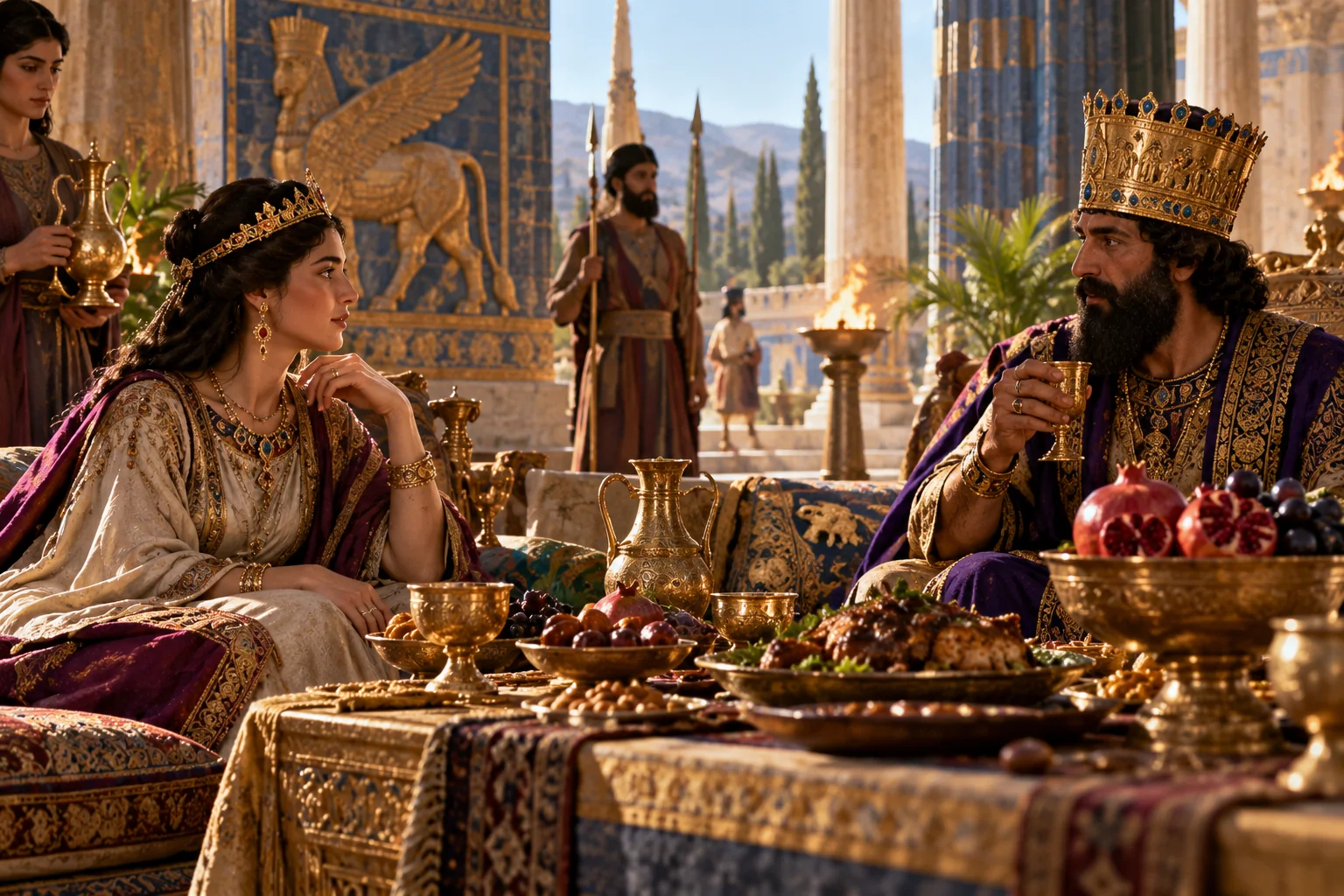
Esther does not begin with accusation. She prepares a banquet. Then another. In the Persian court, where timing and access can mean life or death, the table becomes the setting for patience, strategy and extraordinary courage. Food creates the pause in which the truth can finally be spoken.
GalileeBy the Water
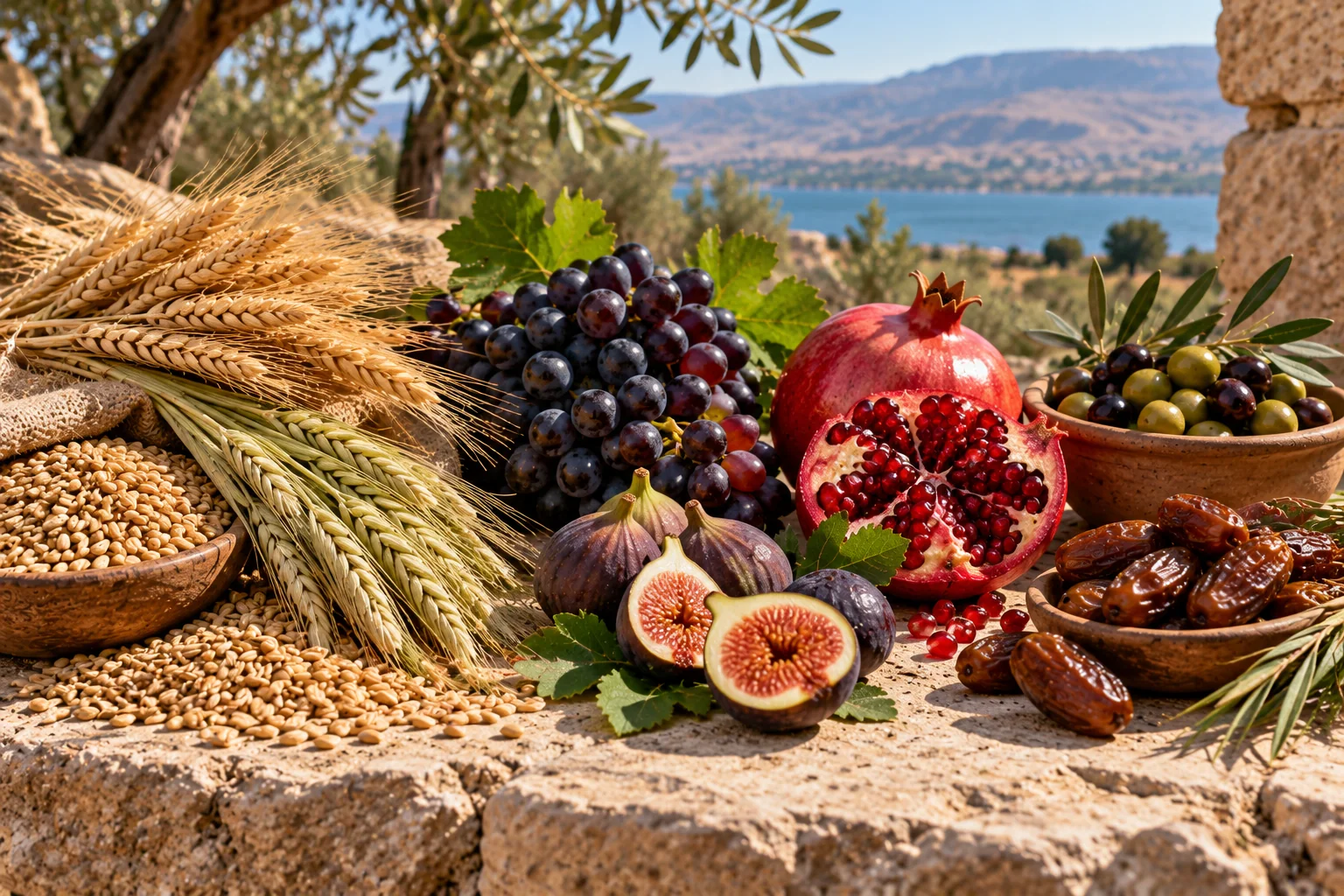
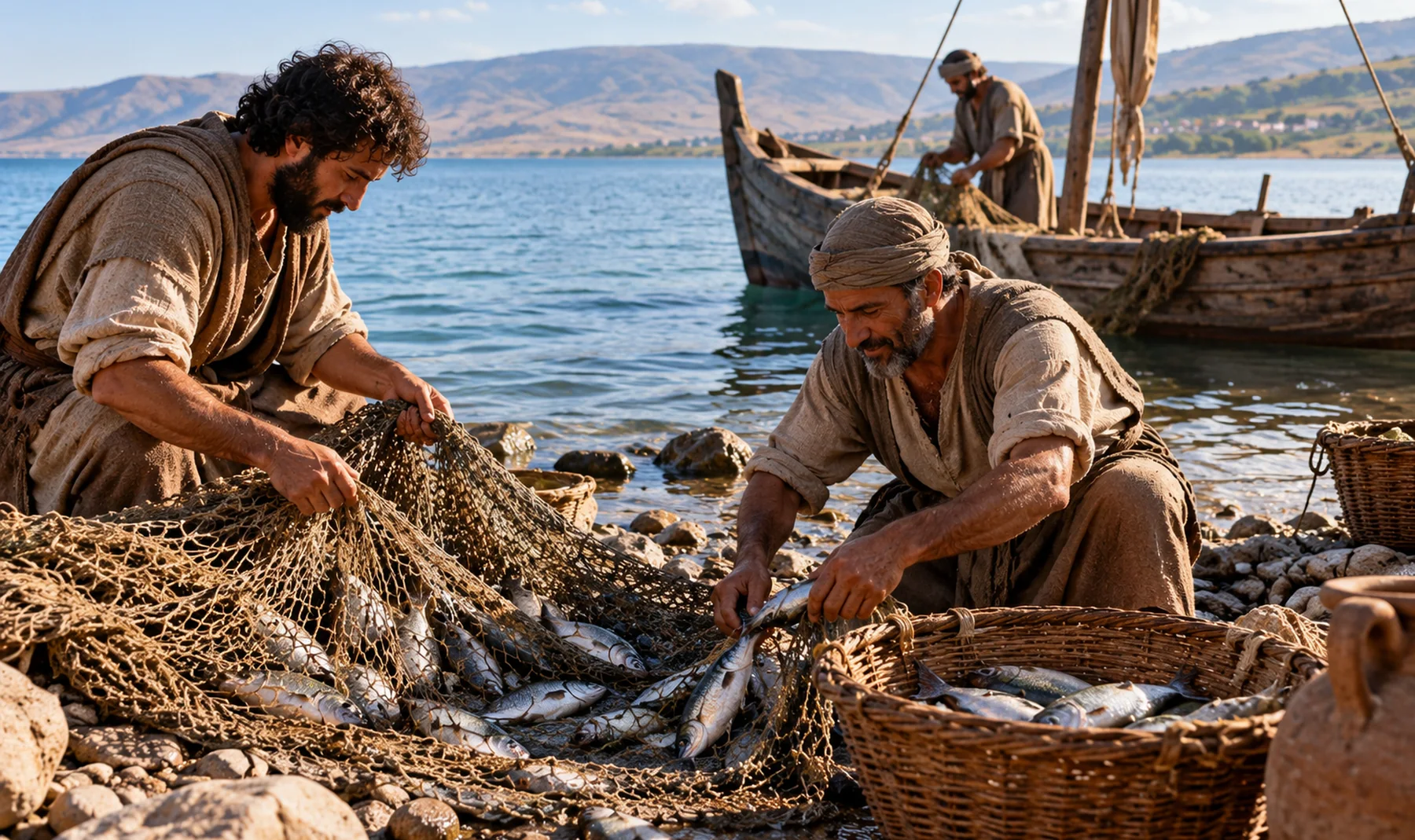
Along the Sea of Galilee, food belongs to the rhythm of work: boats pushed from shore, nets hauled through the water, fish brought to market, bread carried for the day. The Gospels repeatedly return to this landscape. Here, the everyday food of fishermen becomes part of stories of calling, provision and meals shared beside the water.